Brazil’s Leadership Contest Becomes a Major Business Story
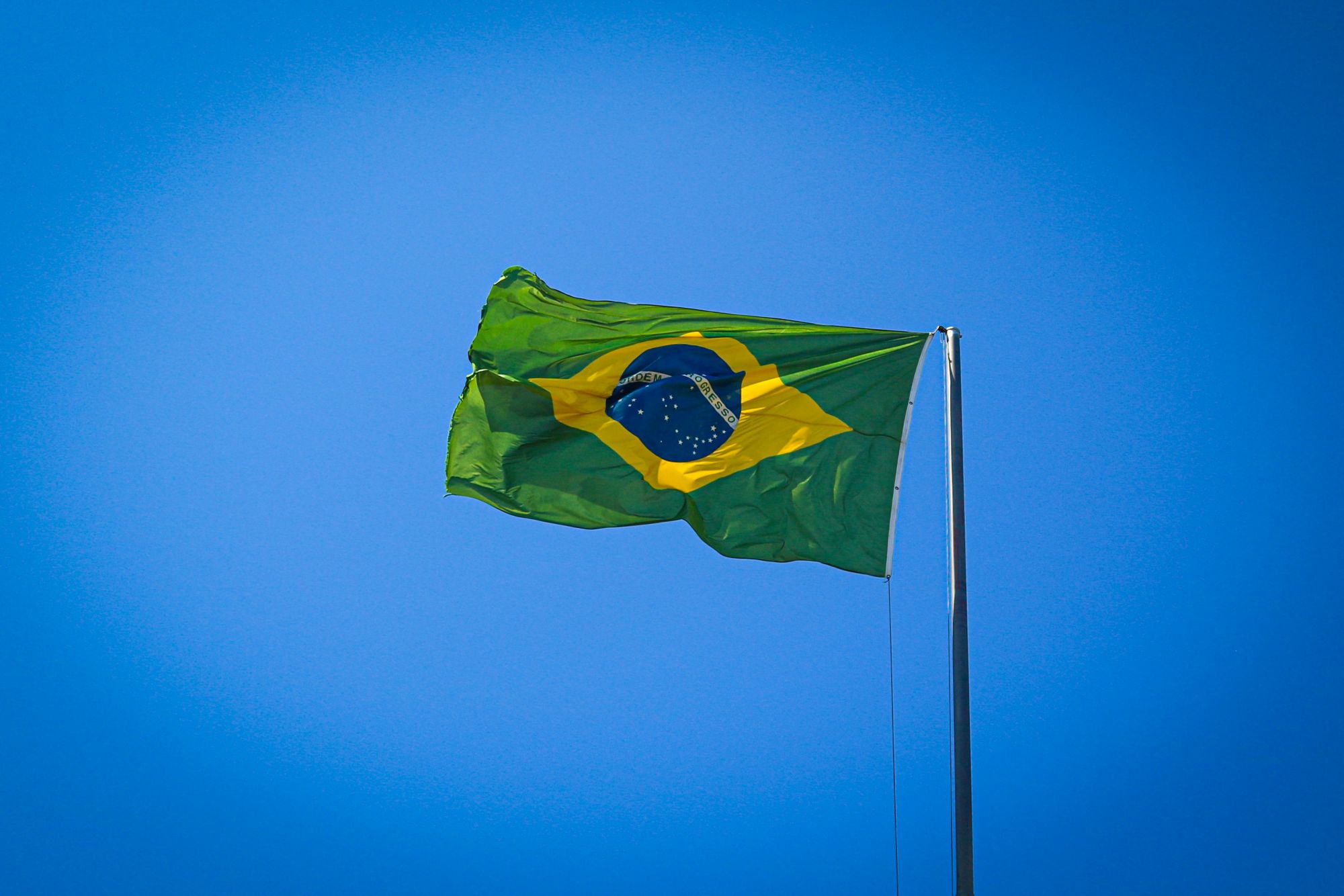
Brazil’s presidential contest has quickly become more than a political battle. With financial markets closely watching the race, the October 25 runoff between incumbent President Luiz Inácio Lula da Silva and Senator Flávio Bolsonaro is emerging as a major business story for investors and companies operating in Latin America’s largest economy.
Flávio Bolsonaro finished slightly ahead of Lula in the first round, taking about 47% of the vote compared with Lula’s 45%. The result immediately influenced investor sentiment, with Brazilian stocks, bonds and the currency responding positively to expectations that a Bolsonaro administration could pursue tighter fiscal policies.
The economic debate is largely centred on Brazil’s public finances. Bolsonaro has proposed reducing government spending, reviewing tax measures and introducing a stronger fiscal framework. His campaign has also discussed privatizations, asset sales and other measures intended to reduce debt and bring down borrowing costs.
Lula, meanwhile, has sought to balance fiscal responsibility with continued government investment and social programmes. His economic approach has raised concerns among some investors about spending and debt, although his advisers have also discussed measures to strengthen Brazil’s fiscal position.
For businesses, the outcome could have significant consequences. Changes to taxation, interest rates, government spending and economic regulation could influence everything from corporate investment and borrowing costs to consumer demand.
Markets have already shown how sensitive they are to the election. Foreign investors reportedly injected billions of reais into Brazilian equities following the first-round result, reflecting expectations of a potentially more market-friendly economic direction.
However, investor optimism could prove premature. Analysts warn that campaign promises will need to be followed by credible policies and difficult fiscal decisions. Whoever wins will inherit an economy facing high debt, expensive borrowing and pressure to create stronger conditions for sustainable growth.
The runoff is therefore being watched closely not only by Brazilian voters, but also by businesses and investors around the world. For Brazil’s corporate sector, the next president could determine the economic environment in which companies operate for years to come.